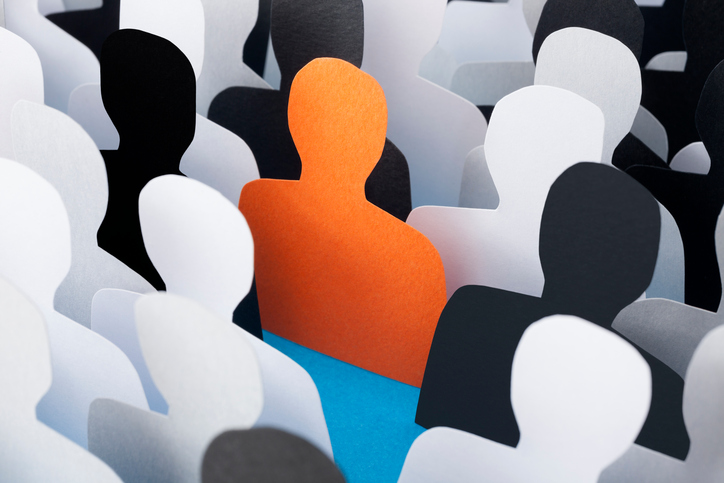
Is Bias in Clinical AI Good or Bad? It’s More Complicated Than That
We do not need models that pretend every patient has equal or equitable access to care. We need models capable of recognizing disparities and responding to them.
We do not need models that pretend every patient has equal or equitable access to care. We need models capable of recognizing disparities and responding to them.
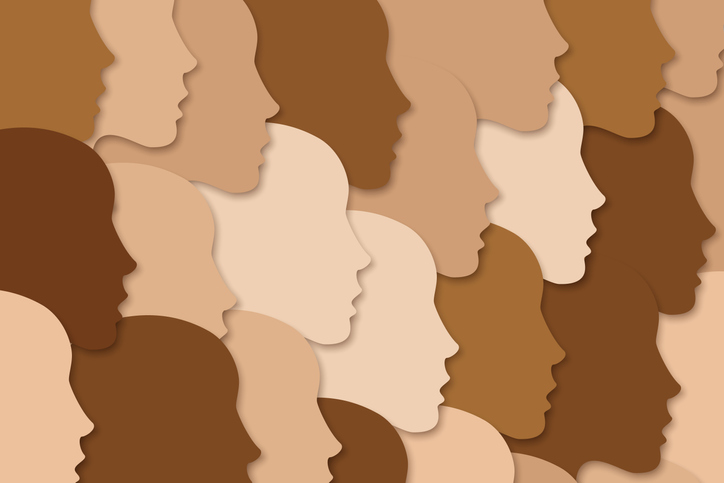
While federal healthcare programs focus their attention on ensuring healthcare resources exist for communities in need, HRSNs become critical drivers of whether individuals can actually access and benefit from these resources.

What if health plans could identify member decline before an avoidable hospitalization occurs? Real-time clinical visibility into long-stay SNF members uncovers risk earlier and drives better outcomes.
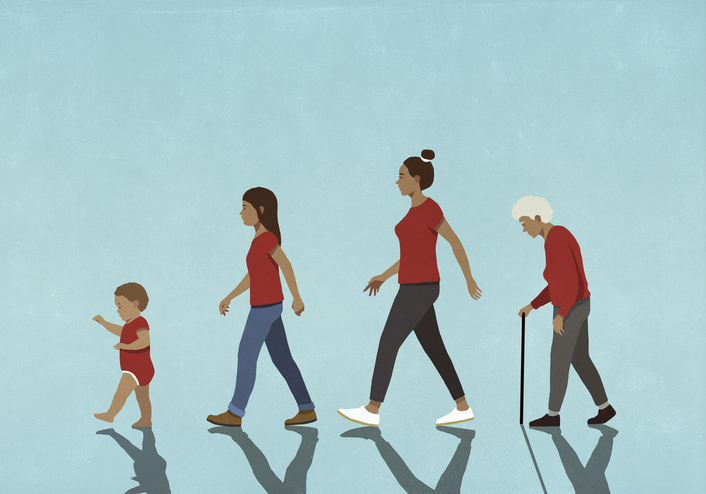
Given our questionable track record of driving consistent progress, it’s important that we create a roadmap to optimize the success for this exciting moment.

New research found that there are no racial disparities in weight loss results among patients taking obesity drugs. However, the study found that people of color have less access to services like behavioral care or surgical interventions, which are often needed in order for patients to lose weight and keep it off. To tackle this issue, Enara Health CEO Rami Bailony argued that the U.S. healthcare system must innovate the way it dispenses weight loss drugs, employing a more holistic care approach.
A new study led by Stanford researchers tested four commercially available LLMs and found that they all could potentially cause harm by breeding inaccurate, racist information. For example, all models tried to justify race-based medicine when asked questions about calculating patients’ kidney function and lung capacity — two areas where race-based medicine practices used to be common but have since been scientifically refuted.

Targeted drugs and immunotherapies are among the advances that contribute to declines in incidence and deaths from non-small cell lung cancer, according to the Annual Report to the Nation on the Status of Cancer. But the trends are on the rise for some other cancers and racial disparities persist, highlighting the need to better understand these differences.


Discover the top AI-powered EAP providers for 2026. Compare platforms like Kyan Health and Spring Health on triage speed, global reach, and clinical quality to transform workforce wellbeing.
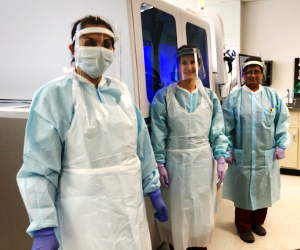
The Gold Corporate Council and nonprofit Arnold P. Gold Foundation share examples of the vast work underway to support compassion and inclusion in healthcare

America's abysmal record on maternal care outcomes and equity has spurred the rise of startups as well as innovative strategies from providers and payers, each trying to solve a piece of the larger problem. But these entities will also need the help of policymakers to truly improve care in this arena.
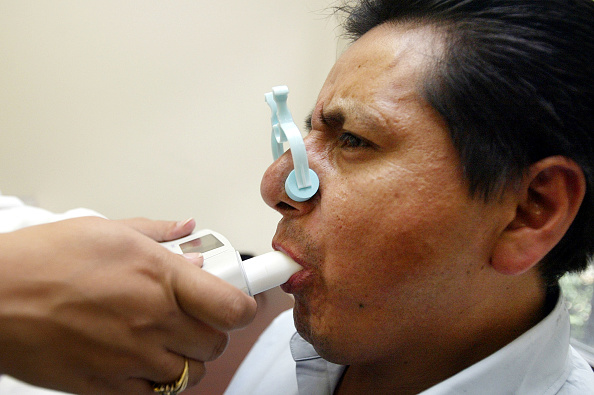
Researchers are investigating whether a built-in race adjustment in spirometers could further exacerbate health disparities caused by the pandemic. The medical device is commonly used to diagnose breathing conditions.
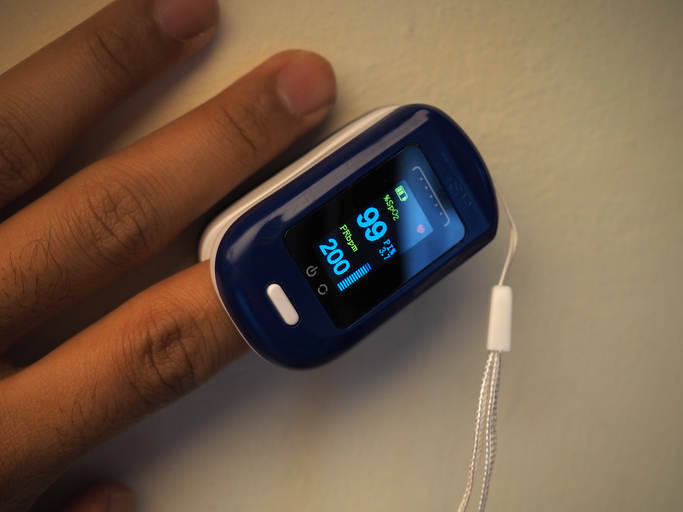
In an alert on Friday, the Food and Drug Administration warmed that pulse oximeters might be inaccurate in some circumstances. The agency listed skin color among other factors that may affect the accuracy of a reading, but didn’t mention research that has demonstrated the devices miss low blood oxygen levels more often in Black patients.


By reducing administrative burden and redesigning workflows around human needs, it creates space for what matters most: connection between clinicians and patients.
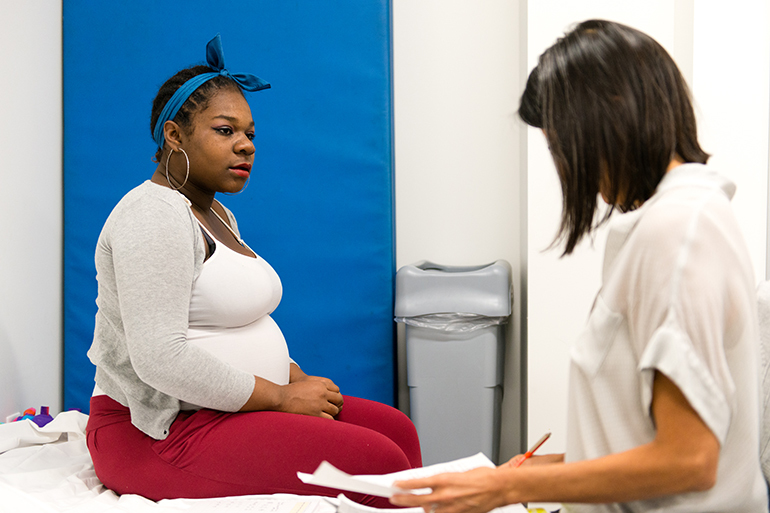
What is needed? Better bedside manner, so patients actually trust their doctors. Communication that is easily understood by everyday people. And transparency about what medical care costs, plus a willingness to discuss how price points fit into consumers’ health decisions.

Medicare currently requires patients to give up life-sustaining therapies in order to receive hospice benefits. That trade-off strikes some black families as unfair.
It’s too early to know if these new types of trainings that explore unconscious bias are actually having any effect on what goes on in the exam room.