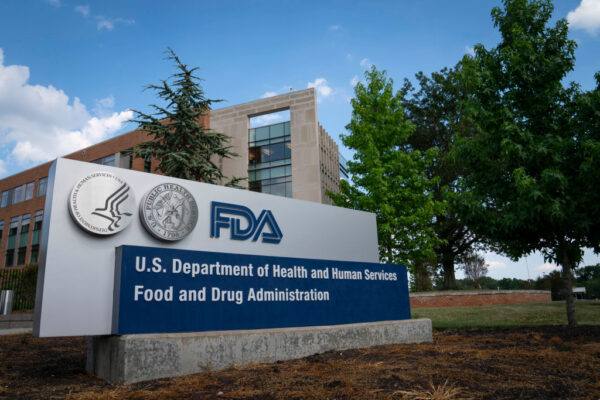
A disease that leads to bone formation in soft tissue and shortens a patient’s life span has a new FDA-approved treatment, a once-daily pill that will be commercialized by Mirum Pharmaceuticals.
The regulatory decision announced after Friday’s market close covers the treatment of adults as well as children age 12 and older born with this ultra-rare disease, fibrodysplasia ossificans progressiva (FOP). The drug, zilurgisertib, will reach the market bearing the brand name Atebrioz.
In FOP, a genetic mutation leads muscle, tendons, and ligaments to gradually turn into bone. Patients develop deformities and a diminished ability to move. The formation of extra bone around the ribcage restricts breathing. The resulting respiratory problems eventually become fatal.

Why Pharma Companies Should Look To Social Media For Better Patient Insight
Healthcare decision-makers, especially at pharmaceutical companies, must prioritize patient input. Data collected from social media listening is a significant step in the right direction.
Atebrioz is an oral small molecule designed to inhibit activin receptor-like kinase 2 (ALK2), a receptor that regulates bone growth. In the drug’s pivotal Phase 2 test, results fell short of statistical significance on the main goal of measuring the occurrence of new bone growth in soft tissue. The FDA decision was based on secondary trial measures showing patients who received the study drug demonstrated a decrease in the volume of new bone formation in soft tissue while the placebo group showed an increase. The most common side effects reported from the study were headache, joint pain, upper respiratory tract infection, nosebleeds, and nausea.
The Phase 2 test of Atebrioz was conducted by Incyte. Mirum licensed rights to the drug In April. Atebrioz is the second FOP drug approved by the FDA in the past two months. In August, the agency approved Regeneron Pharmaceuticals’ garetosmab, brand name Pasatru, a once-monthly intravenously infused antibody designed to inhibit activin A signaling. The first FOP drug was Ipsen’s Sohonos, approved in 2023. This oral small molecule binds to and activates the retinoic acid receptor, an approach intended to reduce the formation of cartilage and the differentiation of cells that form into bone.
“Having another treatment option is meaningful in a progressive disease like FOP, particularly for adolescents who may be earlier in the course of their disease,” Dr. Robert Pignolo, professor of geriatric medicine at the Mayo Clinic College of Medicine and lead investigator for the Atebrioz’s clinical trial, said in Mirum’s approval announcement.
Leerink Partners estimates there are about 300 FOP patients in the U.S. Analyst Joseph Schwartz said in a research note that diagnosis rates for the disorder could rise as new therapies create awareness of the disease and genetic testing increases. He added that clinicians have told Leerink that that they expect patients will prefer Atebrioz’s daily oral formulation versus monthly infusions of Regeneron’s drug. The Mirum product will also reach a broader range of these patients with an approval covering those age 12 and older, versus Regeneron’s product which is approved for adults age 18 and older.


Automation Didn’t Dehumanize Care. Bad Systems Did.
We have the opportunity to design systems that give people greater capacity for the work where human presence matters most: listening, understanding, reassuring, deciding, and caring.
In April, Mirum paid Incyte $16 million up front for the global rights to commercialize Atebrioz. Incyte could receive up to $63 million more in milestone payments as well as royalties from Mirum’s sales of the product. Leerink estimates the drug could achieve $200 million in peak sales, though that figure could change when Mirum releases pricing information. FDA approval of Atebrioz came with a rare pediatric disease priority review voucher, which may be sold to another pharmaceutical company. Incyte will receive this voucher, according to the company’s regulatory filings.
Here’s a recap of other recent regulatory developments:
More Regulatory Decisions in Rare Disease
—Ultragenyx Pharmaceuticals received approvals for two gene therapies in the span of a month. In August, the company’s Genglycos became the first approved treatment for glycogen storage disease type Ia, an ultra-rare inherited enzyme deficiency whose standard of care has been a strict dietary regimen. This month, the FDA approved Fayuvi, the first approved therapy of any type for the rare inherited neurological disorder Sanfilippo syndrome type A. Each approval came with a rare pediatric disease priority review voucher.
—The FDA approved Scholar Rock’s Isembyld for the treatment for spinal muscular atrophy. Unlike previously approved medicines that address underlying genetic drivers of the rare neuromuscular disease, Isembyld, an antibody, is designed to block myostatin, a target in muscle tissue.
—Ionis Pharmaceuticals’ Zanvastro is now the first FDA-approved treatment for Alexander disease, a rare genetic disease that leads to neurological problems and muscle weakness. The antisense oligonucleotide drug is designed to bind to and degrade pre-messenger RNA carrying instructions for making a protein that drives Alexander disease.
—The FDA approved Priovant Therapeutics’ Lisraya for treating dermatomyositis, an inflammatory skin and muscle disorder. The oral small molecule inhibitor of JAK1 and TYK2 proteins was licensed from Pfizer; additional clinical studies are ongoing in other rare inflammatory conditions. Priovant is a subsidiary of Roivant Sciences.
—Johnson & Johnson’s Imaavy expanded its label, landing FDA approval for treating patients age 12 and older with warm autoimmune hemolytic anemia. The antibody drug is the first approved therapy for this rare blood disorder. Imaavy was initially approved last year for treating generalized myasthenia gravis.
—IntraBio’s Aqneursa is now approved for ataxia-telangiectasia, an inherited neurodegenerative disorder. It’s the first approved treatment for this rare disease. The new regulatory nod is a label expansion for the small molecule, which was initially approved in 2024 as a treatment for Niemann Pick disease type C.
—Acadia Pharmaceuticals received European Commission approval for Daybu as a treatment for the neurobehavioral symptoms of Rett syndrome, a rare inherited neurodevelopmental disorder. The FDA approved the Acadia drug in 2023; it’s marketed in the U.S. as Daybue.
Drug Approvals in Cancer
—Eli Lilly’s Inluriyo expanded its label to include the treatment of advanced cases of ESR1-mutated breast cancer when used in combination with another Lilly cancer drug, Verzenio. The FDA initially approved Inluriyo last year as a monotherapy. The expanded approval is based on clinical data showing the Inluriyo and Verzenio combination doubled median progression-free survival compared to treatment with Inluriyo alone.
—Takeda Pharmaceutical received FDA approval for rusfertide, brand name Mimrylos, as a treatment for polycythemia vera, a rare blood cancer that leads to overproduction of red blood cells. The once-weekly injectable drug is a peptide engineered to mimic hepcidin, a hormone that regulates iron in the body. By making iron less available for making red blood cells, Mimrylos reduces red blood cell levels. Takeda acquired full rights to the drug from its original developer, Protagonist Therapeutics.
—Revolution Medicines’ daraxonrasib, brand name Rasonque, received approval as a second-line treatment for pancreatic adenocarcinoma, the most common type of pancreatic cancer. The first-in-class drug works by blocking three forms of mutated RAS protein that drive cancer. The approval was announced about a month after RevMed submitted its application. The FDA evaluated the drug under a pilot program that accelerates the review of medicines that address a national health interest.
—Jazz Pharmaceuticals cancer drug Ziihera is now approved as a first-line therapy for advanced cases of HER2-positive gastric, gastroesophageal junction, or esophageal adenocarcinoma, a regulatory decision that significantly broadens potential use of the therapy. This bispecific antibody, which is designed to binds to two different sites on the HER2 protein, was first approved in 2024 as a treatment for HER2-positive biliary tract cancer, a rare type of cancer. Jazz acquired rights to Ziihera from Zymeworks 2022.
—The FDA awarded accelerated approval to AstraZeneca’s camizestrant, brand name Etcamah, as a first-line treatment for advanced breast cancer that’s ER-positive and HER2-negative. The drug is a next-generation oral selective estrogen receptor degrader (SERD) and complete estrogen receptor antagonist. The regulatory decision covers use of this drug in combination with CDK4/6 inhibitors, standard therapies for HR-positive and HER2-negative breast cancers. The European Commission approved Etcamah in July.
—Bristol Myers Squibb’s Zenbexus won the first FDA approval in a new class of cancer drugs called cereblon modulating protein degraders. The accelerated approval covers use of the small molecule as a second-line treatment for multiple myeloma. It’s also the first time the FDA has approved a drug based on clinical data showing minimal residual disease complete response.
—The FDA approved Replimune’s Tudriqev, an oncolytic viral therapy developed to treat melanoma that has advanced after treatment with a type of immunotherapy called a checkpoint inhibitor. The accelerated approval came after two complete response letters and one affirmative vote from an FDA advisory committee. Tudriqev will provide an alternative to Iovance Biotherapeutics’ Amtagvi, a cell therapy that had been the only approved treatment option for melanoma that had advanced following immunotherapy.
—Celcuity’s gedatolisib, brand name Revtorpyk, received FDA approval for treating HR-positive, HER2-negative breast cancers that do not harbor PIK3CA mutations. This approval specifically covers such cancers driven by the PAM pathway.
—Liquid biopsy company Freenome received FDA approval for SimpleScreen CRC, a blood-based screening test for colorectal cancer. The approval covers adults age 45 and older at average risk for the disease. Abbott will commercialize this test in the U.S. Under terms of this commercialization agreement, the approval triggers a $100 million milestone payment to Freenome.
Approvals in Infectious Disease
—The FDA expanded the approval of ViiV Healthcare’s HIV drug Tivicay PD to younger pediatric patients, including newborns. This drug, a tablet for oral suspension, may now be used in combination with other antiretroviral agents to treat HIV-1 infection in children weighing at least 2 kilograms (about 4.4 pounds). The main ingredient in the drug is dolutegravir, an integrase strand transfer inhibitor. The pill formulation of Tivicay was approved in 2013 for adults and children 12 and older. Tivicay PD was first approved for children in 2020.
—GSK’s bepirovirsen, brand name Hibsago, received regulatory approval in Japan, the first global approval for drug developed to lead to a functional cure for chronic hepatitis B infection. The drug, an antisense oligonucleotide licensed from Ionis Pharmaceuticals, is designed to target RNA to inhibit production of key viral proteins. GSK said Hibsago is under regulatory review at other agencies around the world and an FDA decision is expected in the coming months.
—The FDA extended the review of deramiocel, Capricor Therapeutics’ experimental cell therapy for the heart complications caused by Duchenne muscular dystrophy. Following the July advisory committee meeting that led to a negative vote, the company submitted to the FDA additional data from an open-label extension study. The FDA considers the additional data a major amendment to the application, triggering a three-month extension to Nov. 22.
Regulatory Setbacks
—Xspray Pharma’s complete response letter for blood cancer drug Dasynoc cited manufacturing issues. The company said its third-party manufacturer has completed remediation work but the FDA still needs to determine whether a reinspection is needed. Xspray said it intends to resubmit a regulatory application to the FDA this year.
—Radiopharmaceutical developer Isotope Technologies Munich received an FDA complete response letter for 177Lu-edotreotide, code-name ITM-11, an experimental treatment for gastroenteropancreatic neuroendocrine tumors (GEP-NETs). The company said the FDA cited manufacturing issues and items at a third-party commercial facility that must be addressed before the agency can approve the therapy. No issues about the clinical data or safety of ITM-11 were raised.
—RegenxBio’s RGX-121, an experimental gene therapy for mucopolysaccharidosis type II (MPS II, also called Hunter syndrome, is under an FDA clinical hold after asymptomatic spine findings were spotted in five patients in the therapy’s Phase 1/2/3 study. The company said it does not expect to resubmit a biologics license application in the near term.
It’s the second regulatory pause for RGX-121 this year. In February, the FDA placed a partial clinical hold on the Hunter syndrome trial after a patient in a separate study for a Hurler syndrome gene therapy developed a brain tumor. At the time, the agency said similarities in the therapies, the study populations, and the shared risk between the clinical studies led to clinical holds on both programs. The FDA ultimately issued a complete response letter for the application seeking accelerated approval, but left the door open for a resubmission of the application. The FDA lifted the partial hold on RGX-121 in April.
—The European Commission withdrew marketing authorization for Tavneos, an Amgen drug that was marketed in Europe by a subsidiary of CSL Limited. In June, an committee that advises the regulator recommended the move, after a review concluded the drug’s benefits no longer outweigh its risks. The FDA has also proposed withdrawing the product from the market, a process that Amgen is challenging.
Vaccine Decisions
—Moderna’s messenger RNA vaccine for seasonal influenza received FDA approved for adults age 50 and older. The regulatory nod for mFLUSIVA came about six months after the FDA refused to even review Moderna’s application. For adults age 50 to 64, the decision is a standard FDA approval. For adults age 65 and older, it’s an accelerated approval that requires a post-marketing confirmatory data.
—The FDA approved a version of the Pfizer and BioNTech Covid-19 vaccine adapted to protect against the XFG variant, which health authorities say offers the best protection against Covid in the upcoming respiratory disease season. FDA decision’s late-August decision came a month after the European Commission authorized the new version of this vaccine, Comirnaty.
Regulatory Decisions in Neuroscience
—Roche received FDA clearance for Elecsys pTau217, blood-based test that detects amyloid pathology that could indicate Alzheimer’s disease. Roche developed this test in partnership with Eli Lilly.
—FDA approval of Takeda Pharmaceutical’s oveporexton, brand name Orzeyful, introduces a new mechanism of action for treating narcolepsy type 1, the most common form of the sleep disorder. The twice-daily pill is designed to activate receptors of orexin, a peptide that regulates the sleep/wake cycle. FDA approval of Orzeyful comes just shy of one year after Takeda reported Phase 3 results for the narcolepsy drug.
—Otsuka’s centanfadine, brand name Simtriyo, received FDA approval for the treatment of attention deficit hyperactivity disorder in adults and children age 6 and older. The extended-release capsule is a first-in-class norepinephrine, dopamine, serotonin reuptake inhibitor and central nervous system stimulant.
Approvals in Cardiometabolic Disorders
—Bayer’s Kerendia is now approved as a first-line treatment of adults with chronic kidney disease and type 1 diabetes. The non-steroidal mineralocorticoid receptor antagonist was initially approved in 2021 as a treatment for patients with chronic kidney disease that’s associated with type 2 diabetes. Last year, the drug expanded its label to include reducing the risk of a type of heart failure.
—Eli Lilly’s Mounjaro expanded its label to include reducing the risk of cardiovascular events, such as heart attack and stroke, in patients with type 2 diabetes. The GLP-1 and GIP receptor agonist was first approved as a treatment for type 2 diabetes in 2022.
Photo: Getty Images, Sarah Silbiger