Headspace raises another $48 million in funding
Meditation app Headspace raised $47.7 million in funding, according to an SEC filing. The new funds come four months after Headspace closed a $93 million series C round.
Meditation app Headspace raised $47.7 million in funding, according to an SEC filing. The new funds come four months after Headspace closed a $93 million series C round.

An analysis of more than 100 Covid-19 apps by the International Digital Accountability Council found that many fell short of best practices for privacy and security. Some concerns including using third-party SDKs that were not core to the app’s functionality, and sending unencrypted transmissions.


Across the nation, state-based health insurance exchanges are searching for ways to better serve their communities while making enrollment easier, more personal, and more accessible for everyone.

Digital health startup raised a $90 million funding round led by Bessemer Venture Partners. The company builds software tools to help patients with joint and back pain.
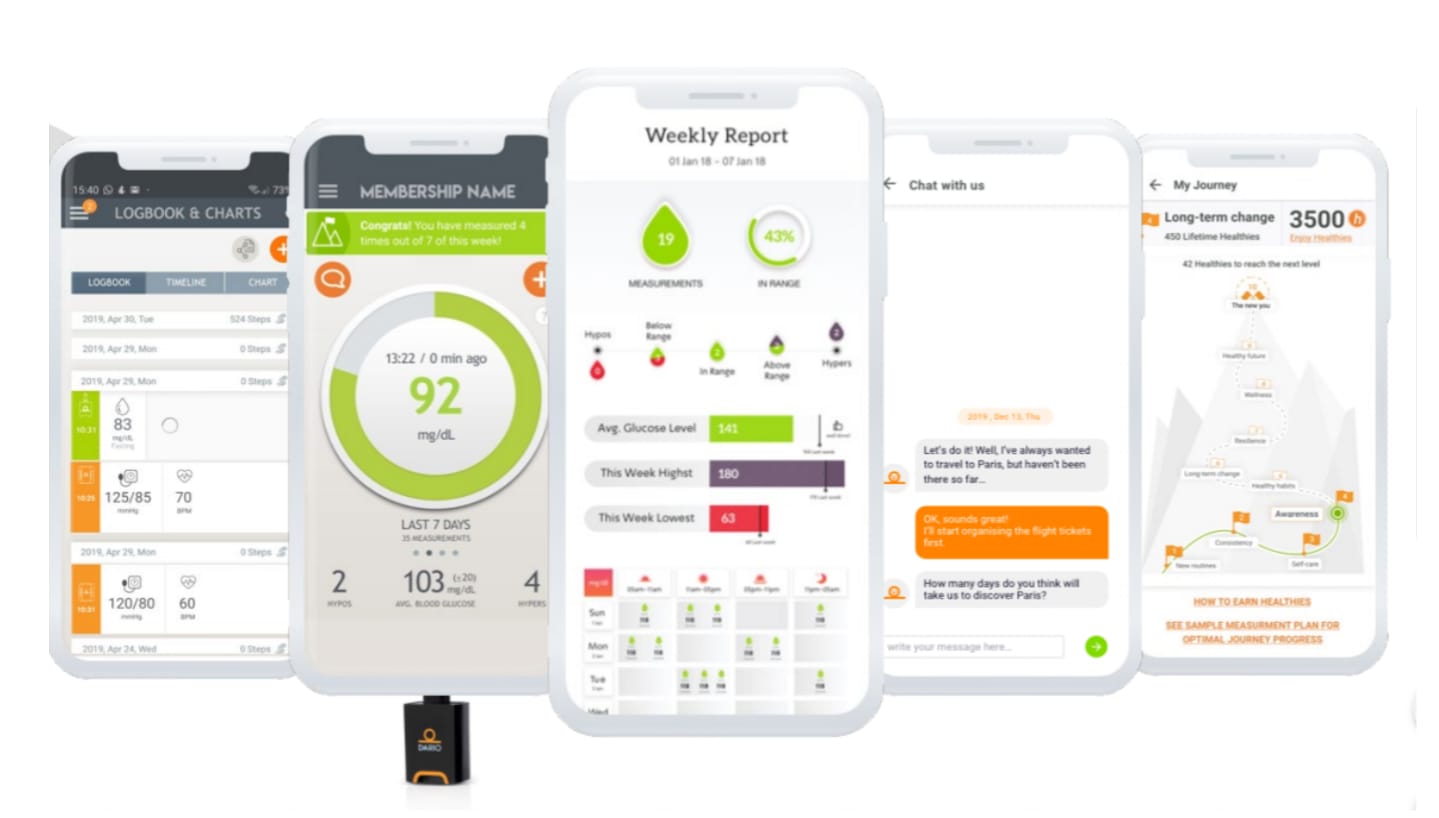
Publicly-traded DarioHealth plans to use the cash to put its smartphone-based glucometer into the hands of insurers.
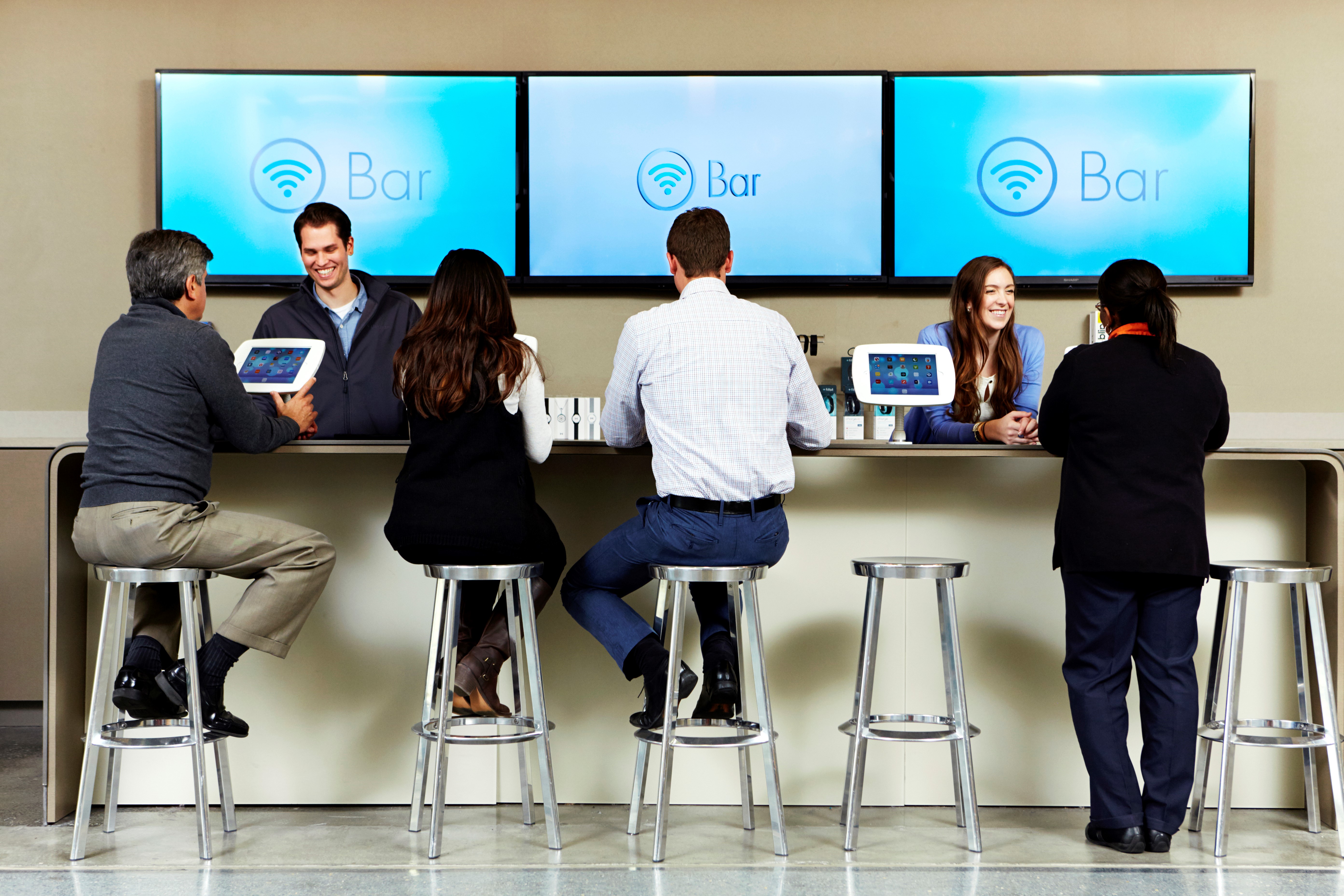
A visit to the Louisiana health system sheds some light on how it is innovatively addressing chronic diseases like hypertension and diabetes, the inpatient experience and more.

The submission deadline for the 2019 code App Challenge, which encourages participants to build apps on Cerner's platforms, is August 16, 2019.


Greenway Health blends smart technology with human expertise to elevate revenue cycle.
Scheduling appointments, viewing lab results and requesting prescriptions emerged as the top three functions patients use mobile apps for, according to a SOTI survey of 552 U.S. consumers.

In October, the Seattle-based company completed a $50 million Series C round led by the Merchant Banking Division of Goldman Sachs.

In a phone interview, One Medical CTO Kimber Lockhart talked about how the company has developed its own EHR and mobile app.

As part of the latest update to the organization's app, patients and visitors can make use of an interactive map and a variety of navigational features.

In a landscape where complexity has long been the norm, the power of one lies not just in unification, but in intelligence and automation.

The Aysa app does not diagnose or replace a clinician but lets users take a picture of their skin concern, answer a few questions and receive information to help them better understand their condition.

Called Tempus Labs, the Chicago startup's new tool is currently available and allows physicians to securely access patient information at the point of care.

Formerly known as Responsive Health, the Mount Sinai spinoff will use the financing to help launch the new capability, which allows care teams to prescribe digital therapeutics and patient-centric care plans to entire groups of people.

Addressing issues like chronic pain, risk reporting and physician performance, here's a closer look at the companies in the fall 2018 class of Dreamit's HealthTech program.
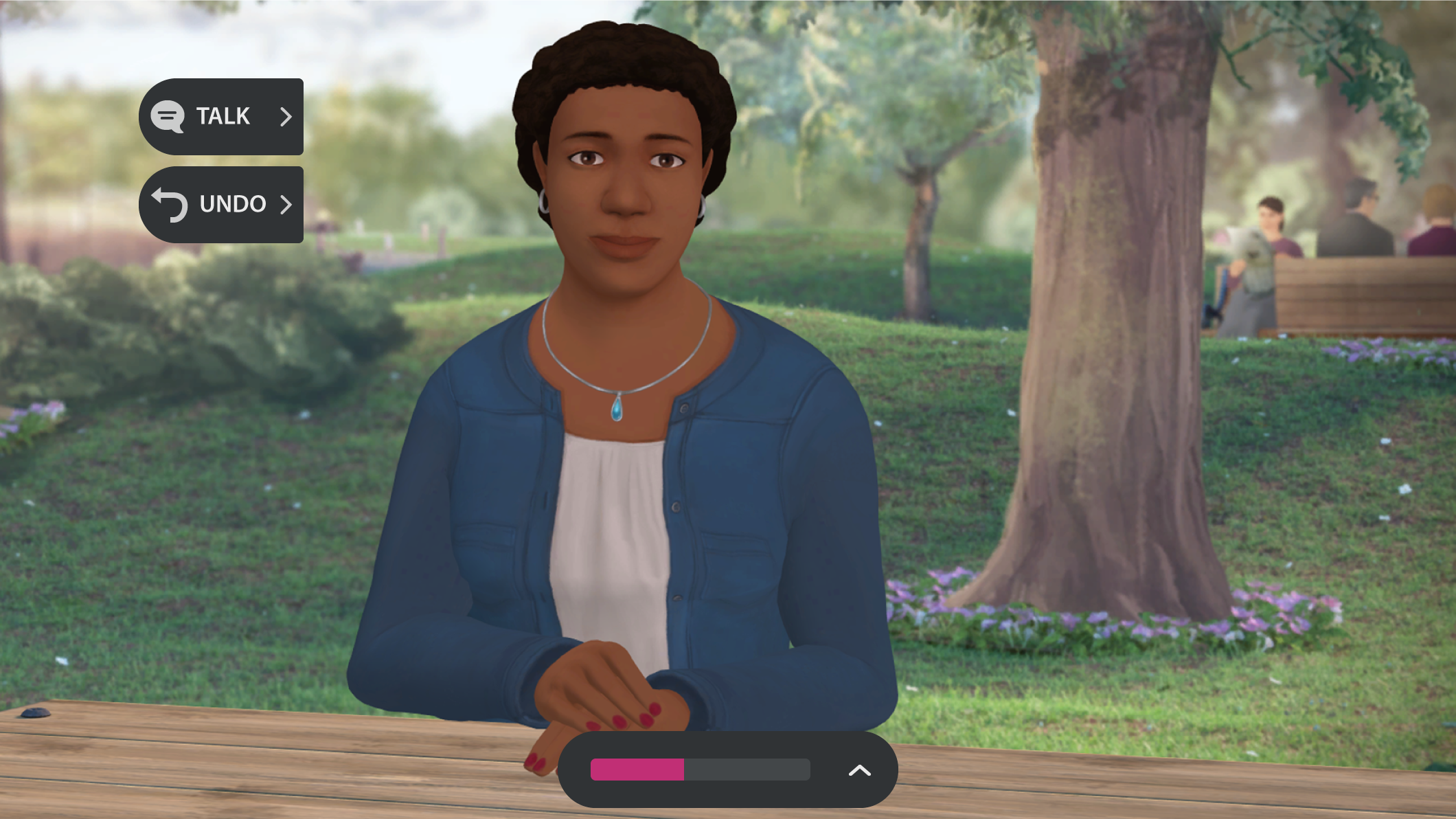
To better educate triple negative breast cancer patients and ultimately improve health outcomes, the CDC Division of Cancer Prevention and Control worked with the National Association of Chronic Disease Directors and health IT company Kognito to create an app that features a virtual human.